
 Facebook
 X
X LinkedIn
 Forward
Continuous Glucose Monitoring and Insulin Pumps: Practical Insights for PCPs and Hospitalists
This is a video-based CME program designed for PCPs and hospitalists to improve their knowledge and proficiency around modern diabetes technologies. By participating in this course, you will have a better understanding of the application of new digital technologies, including continuous glucose monitoring (CGM) and automatic insulin delivery (AID) systems, and understand how they help to optimize diabetes management outcomes. This program includes:
- Module 1: Continuous Glucose Monitoring: Key Learnings to Support Successful Integration into Clinical Practice
- Module 2: Case Discussions: Practical Application of CGM in Clinical Practice
- Module 3: Insulin Pump Therapy for Primary Care and Hospitalist Clinicians
This educational offering also includes: Digital Technology for Diabetes: Annotated NEJM Review Article (click to access this separate activity)
Target Audience
The intended audience is PCPs and hospitalists (including physicians, nurse practitioners, physician assistants, and trainees).
Learning Objectives
Module 1: Continuous Glucose Monitoring: Key Learnings to Support Successful Integration into Clinical Practice
- Describe the functions, benefits, and limitations of current continuous glucose monitoring (CGM) systems.
- Interpret core CGM metrics.
- Develop practical strategies for implementing CGM in clinical practice.
- Demonstrate proficiency in reviewing CGM data and billing for CGM-related services.
Module 2: Case Discussions: Practical Application of CGM in Clinical Practice
- Explain how CGMs and automated insulin delivery systems can be used to optimize glycemic control in patients with complex diabetes scenarios.
- Apply CGM data to identify clinically actionable patterns.
- Develop individualized management strategies using CGM insights.
- Recognize limitations and potential pitfalls of CGM and AID systems.
Module 3: Insulin Pump Therapy for Primary Care and Hospitalist Clinicians
- Understand general features of automated insulin delivery (AID) insulin pump systems.
- Review current AID options available in the United States.
- Identify patients that would benefit from Endocrinology referral.
- Discuss the role of the PCP in initiating and managing AID.
- Dispel misconceptions about AID and insulin pump therapy.
Disclosure of Support
This activity is supported by an independent educational grant from Abbott Diabetes Care.
Course summary
- 1.50 AMA PRA Category 1 Credit™
- 1.50 Participation
Format & Estimated Time to Complete: This activity features 1+ hours of video recordings, resources, pre/post exams, and an evaluation.
Exam/Assessment: A score of 100% is required on the post-activity exam to receive AMA PRA Category 1 Credits™.
Disclosure Statement:
All individuals in control of the content for a Massachusetts Medical Society accredited continuing education activity must disclose all financial relationships with ineligible companies within the past 24-months. The following individuals disclosed relevant relationships with ineligible companies:
Devin Steenkamp, MBChB
Abbott Diabetes Care, Consultant and Research funding
Tandem Diabetes Care, Research
Sequel Med Tech, Research
Insulet, Research
Kathryn L. Fantasia, MD, MSc
Eli Lilly and Company, Individual stock
Insulet, Research funding (co-Investigator)
All relevant financial relationships have been mitigated prior to the beginning of this activity in accordance with ACCME and MMS policies. For this activity, all other individuals in control of content did not disclose any relevant financial relationships with ineligible companies.
Activity Term:
Original Release Date: February 25, 2026
Review Date(s): N/A
Termination Date: February 24, 2027
Activity Director/Faculty:

Devin W. Steenkamp, MBChB
Associate Professor of Medicine, Boston University Chobanian and Avedisian School of Medicine
Director of Clinical Diabetes, Section of Endocrinology, Diabetes, Nutrition, and Weight Management, Boston Medical Center
Devin Steenkamp is Associate Professor of Medicine in the Section of Endocrinology, Diabetes, Nutrition and Weight Management at Chobanian and Avedisian School of Medicine, Boston, MA. Dr. Steenkamp is an adult endocrinologist with a particular interest in type 1 diabetes, atypical diabetes phenotypes, and diabetes technology. He is the Director of the Clinical Diabetes Program in the Section of Endocrinology, Diabetes and Nutrition at Boston Medical Center/Chobanian and Avedisian School of Medicine. He established the diabetes technology program, with a particular focus on utilizing modern technologies to improve the care and outcomes for underserved adults living with diabetes.
Faculty:
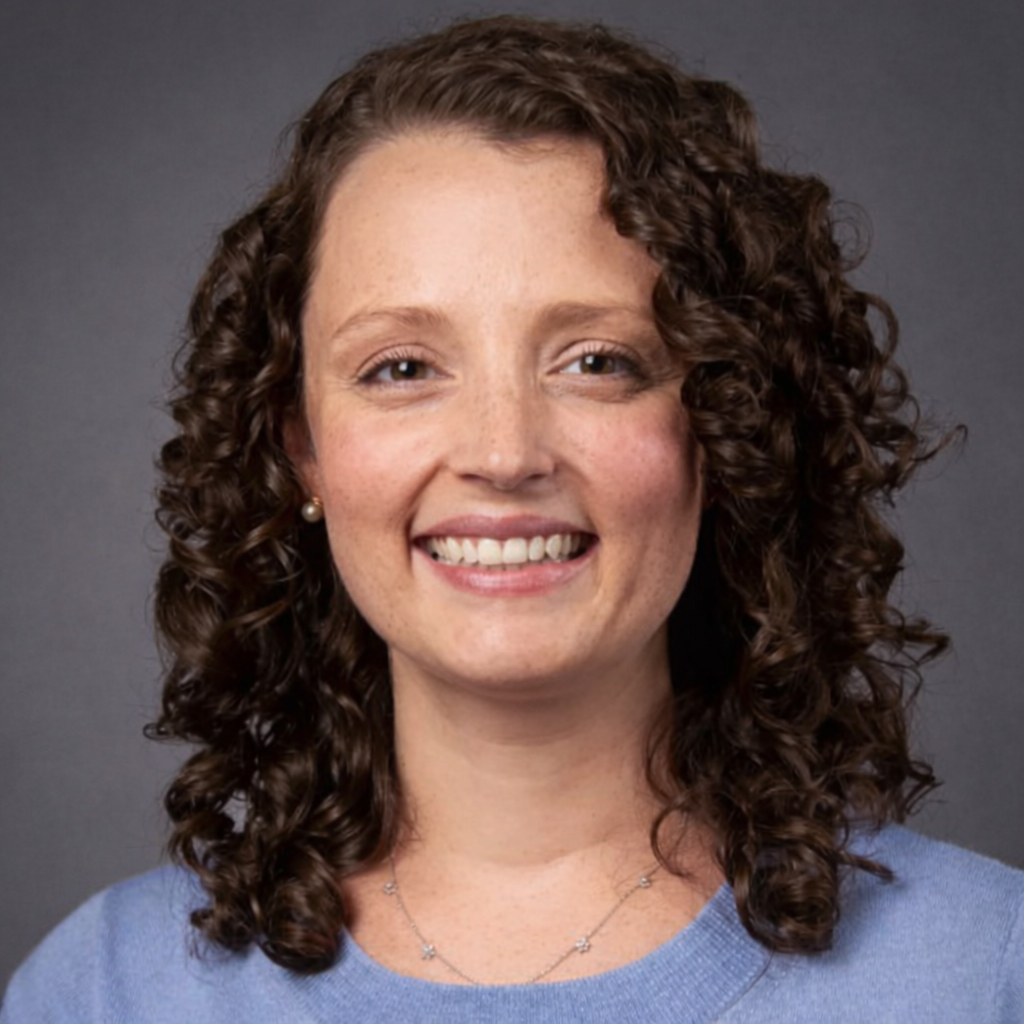
Kathryn L. Fantasia, MD, MSc
Assistant Professor of Medicine, Division of Endocrinology, Diabetes, Nutrition, and Weight Management
Boston University and Boston Medical Center
Dr. Fantasia is an Assistant Professor of Medicine at the Boston University Chobanian & Avedisian School of Medicine and a board-certified adult endocrinologist at Boston Medical Center. She earned her medical degree from Albany Medical College and completed her internal medicine residency, chief residency, and fellowship training in endocrinology at Boston Medical Center. She received a master’s degree in health services and systems research from the Boston University School of Public Health and completed a research fellowship with the Boston University Evans Center for Implementation and Improvement Sciences. In addition to clinical practice, Dr. Fantasia conducts research focused on evaluating care delivery and developing interventions and implementation strategies to expand access to care and improve outcomes for adults with diabetes in safety-net settings.
Planners/Reviewers:
Ole-Petter R. Hamnvik, MB BCh BAO, MMSc, MRCPI
Program Director, Endocrinology Fellowship, Brigham and Women’s Hospital
Associate Professor of Medicine, Harvard Medical School
Education Editor, NEJM Group
Kathleen Bellisle
Program Director, NEJM Group Continuing Education
NEJM Group
Michelle Hache
General Manager, NEJM Group Continuing Education
NEJM Group
Catherine Ryan
Developmental Editor, Product Management
NEJM Group
Accreditation Statement:
The Massachusetts Medical Society is accredited by the Accreditation Council for Continuing Medical Education (ACCME) to provide continuing medical education for physicians.
AMA Credit Designation Statement:
The Massachusetts Medical Society designates this enduring material for a maximum of 1.50 AMA PRA Category 1 Credits™. Physicians should claim only the credit commensurate with the extent of their participation in the activity.
ABMS MOC Approval Statement
Through the American Board of Medical Specialties (“ABMS”) ongoing commitment to increase access to practice relevant Continuing Certification Activities through the ABMS Continuing Certification Directory, this activity has met the requirements as a Lifelong Learning CME Activity (apply toward general CME requirement) for the following ABMS Member Boards:
Allergy and Immunology
Anesthesiology
Colon and Rectal Surgery
Family Medicine
Medical Genetics and Genomics
Nuclear Medicine
Ophthalmology
Physical Medicine and Rehabilitation
Plastic Surgery
Preventive Medicine
Psychiatry and Neurology
Radiology
Urology
Available Credit
- 1.50 AMA PRA Category 1 Credit™
- 1.50 Participation
Update your profile
Please update your profile before taking courses.
To complete this CME activity, learners must:
(1) Review the learning objectives, disclosure statement, and accreditation statements;
(2) Navigate through all course pages and/or view video(s);
(3) Complete exams/assessments and evaluation;
(4) CLAIM credit;
(5) View/print certificate.
If you need to stop in the middle of a course, you may return to the course at any time to finish.
Required Hardware/software
This platform works with most modern web browsers (e.g., Chrome, Internet Explorer, MS Edge, Safari).
A PDF reader, such as Adobe Acrobat Reader, will be required to participate in some courses.